


This significant development will provide a wider range of international nuclear operators with the opportunity to treat and recycle their radioactive metals to contribute to a more sustainable nuclear industry.
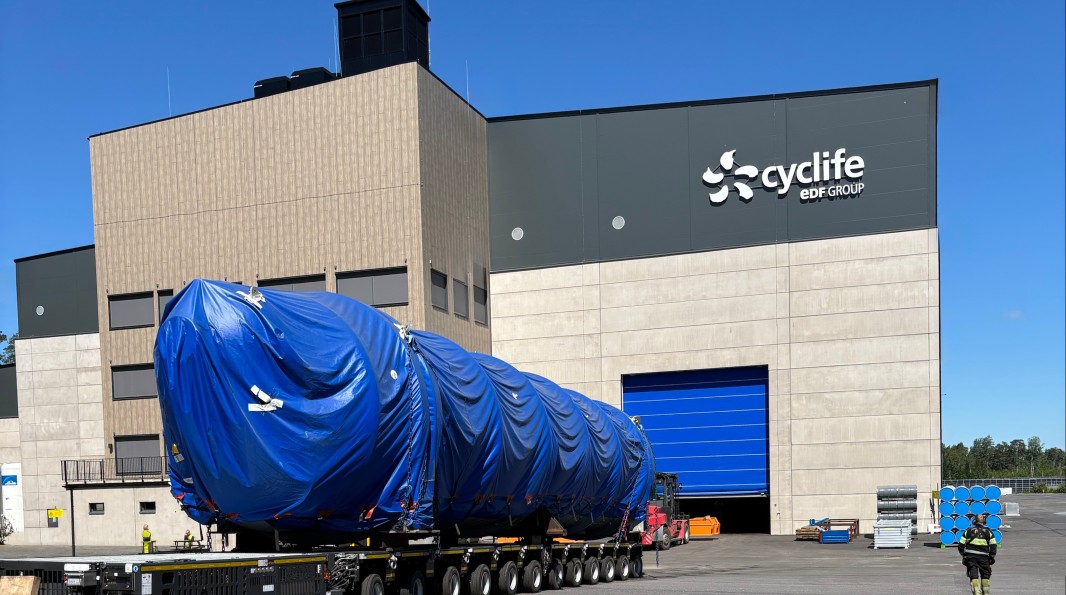
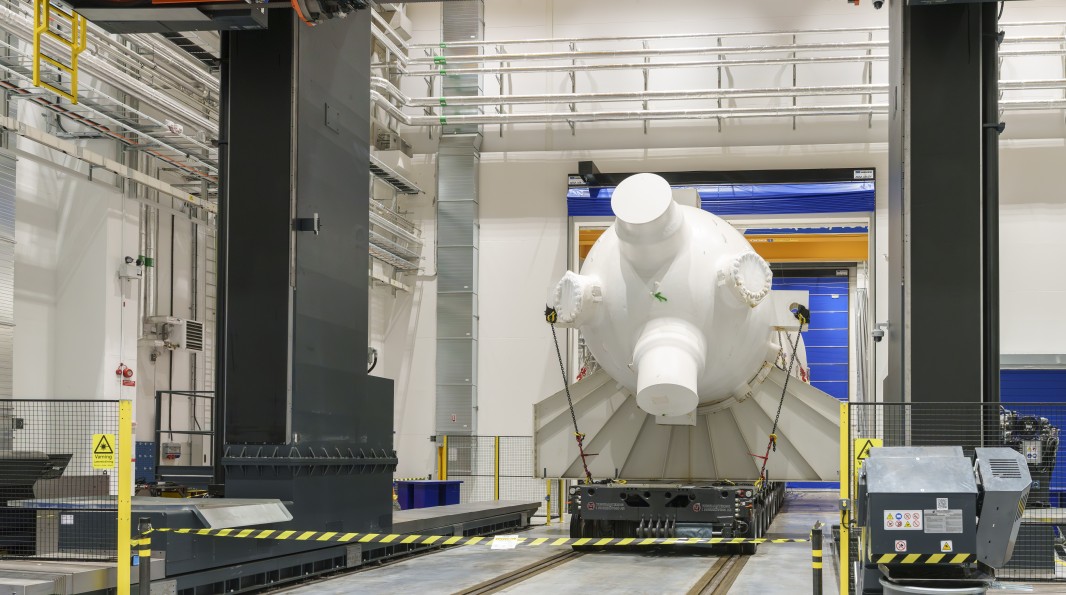
Cyclife has successfully been granted approval by the Swedish Nuclear Safety Authority (SSM) to commission the treatment of radioactive metallic components for its customers at its new unit in Sweden. Cyclife is ready to offer larger capacities for international customers in the treatment of additional radioactive metals according to a circular economy approach: to provide a second life to metals from nuclear industry for use in other industries. Metals from nuclear installations treated can be oversized components, such as steam generators and pressurisers, as well as scrap metals.
This new unit will allow to double the volume of metal processed from 5,000 to 10,000 tonnes per year — the equivalent weight of an Eiffel Tower — meeting the growing demand for nuclear decommissioning in Europe and Asia. By offering a solution grounded in the principles of the circular economy, Cyclife deploys metallic treatment processes, contributing to reduce the consumption of raw materials and CO2 emissions while preserving repository capacity.
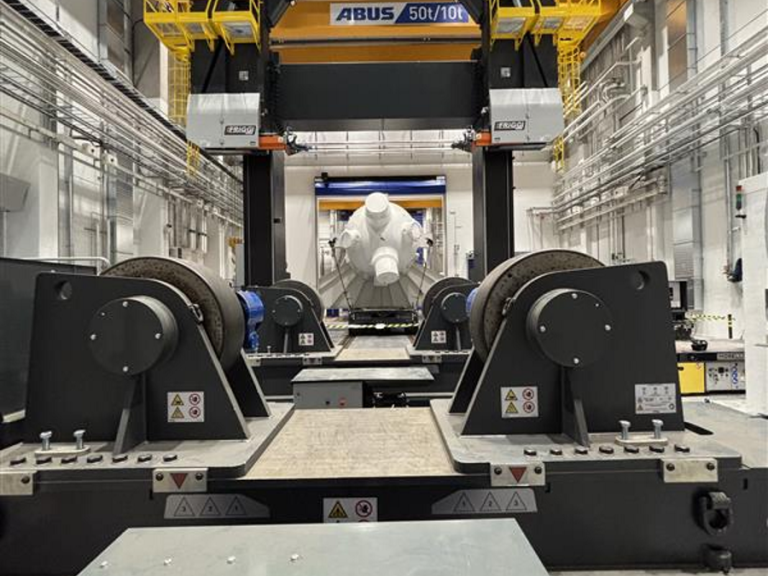
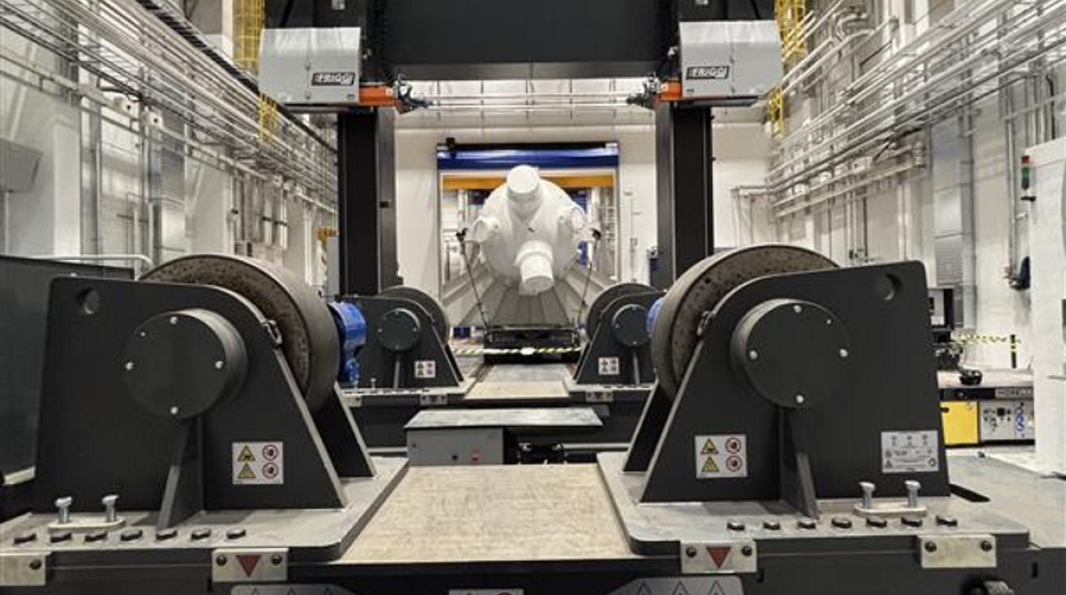
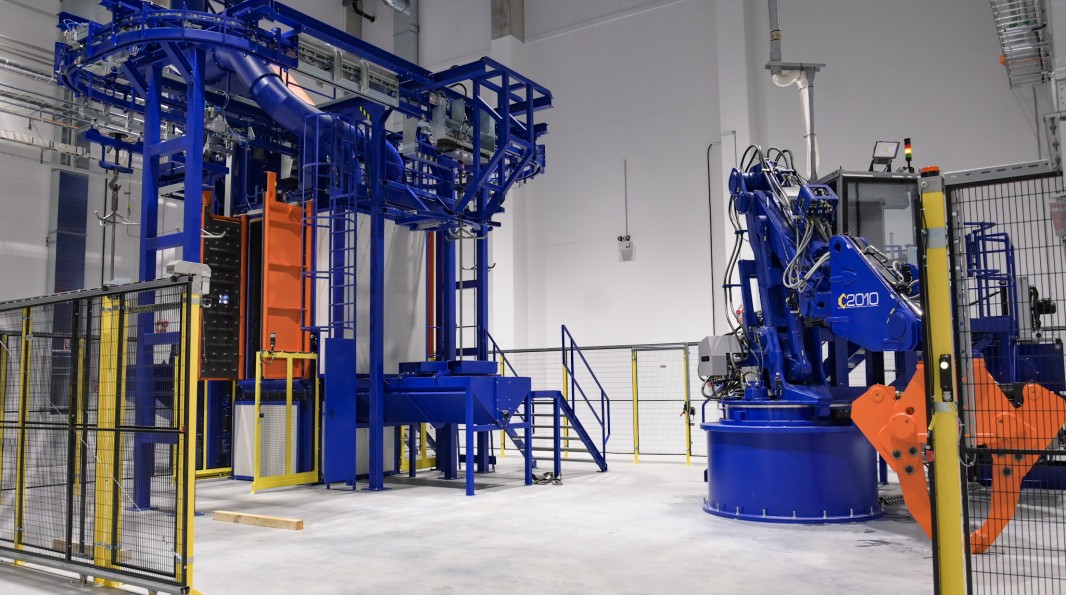
Drawing on all Cyclife Sweden's operational expertise from the existing melting facility (SMA, or SmältAnläggning in Swedish) in which Cyclife has already handled more than 60,000 tonnes of metal and integration of innovative cutting-edge technologies, the new treatment unit has optimised the handling of scrap and large components weighing up to 740 tonnes per piece. This optimisation focuses on process performances, introduction of remoted tools, treatment flows, particularly for steam generators treatment steps, tube handling, internal transport and ingot management.
This development is strengthening Cyclife’s footprint and takes part into the local economic growth, creating nearly 100 new jobs.
Delphine Servot, CEO of Cyclife Sweden, says:
"The approval from the Swedish Radiation Safety Authority and the start of treatment of a first steam generator are important milestones. With the new facility and doubled capacity, we are strengthening Europe’s ability to safely and sustainably treat and recycle material from the nuclear industry – while offering our customers more efficient projects, shorter lead times and reduced
need for final disposal.”
Estelle Desroches, CEO of Cyclife Group, concludes:
”The international expansion of the Cyclife Group is closely linked to the development of Cyclife Sweden, as this entity plays a pivotal role in strengthening the Group's position in the nuclear waste treatment segment. The commissioning of the new unit represents a significant milestone in our commitment to leveraging this capability for the benefit of our customers and the future of the industry.”
Contribute to a sustainable future of nuclear energy
There are now more than 200 nuclear reactors that are under decommissioning worldwide. This represents a dynamic and growing market. Dismantling operations produce a large amount of radioactive waste, primarily metallic waste and especially large components.
Approximately 20 years ago, Cyclife developed a process and facilities in Sweden for the dismantling and disposal of steam generators. This enabled the company to provide a turnkey solution for nuclear operators, managing the transportation of large metallic components and scrap metal to and from customers or final depositories. Cyclife Sweden managed these components on site before and after treatment, reducing their volume by up to 95%. In addition, the company characterised secondary waste, conducted associated analyses and conditioned final packages. Cyclife also managed metallic reusable ingots, characterising, free-releasing and selling them to conventional industries.
To date, Cyclife Sweden has already processed more than 30 large components – including steam generators and other heat exchangers – from Swedish, German, French and British nuclear power plants. The growing volume of international projects demonstrates strong customer confidence and highlights a clear shift towards a more circular and sustainable nuclear industry.